The digital content landscape has undergone a dramatic transformation over the past few years, driven primarily by advancements in artificial intelligence. What once required hours of specialized technical mastery—such as keyframe animation, complex color grading, or custom graphic design—can now be initiated with a simple text prompt or dynamic command. For modern content creators, digital marketers, and visual storytellers, the challenge is no longer finding powerful creation tools, but rather connecting disparate workflows into a cohesive, fluid production pipeline.
As multimedia platforms demand faster output without compromising visual quality, creative technology is evolving to bridge the gap between ideation and post-production. The modern creator needs solutions that handle both static asset generation and dynamic video composition seamlessly. Understanding how these intelligent ecosystems intersect reveals the future of digital content creation.
The Paradigm Shift in Digital Content Creation
Traditionally, producing high-impact visual media required navigating multiple isolated applications. A designer might sketch concept art in one program, render high-resolution raster images in another, move to a dedicated video editor to assemble clips, and manually write scripts or subtitles in a plain-text workspace. This fragmented approach introduced significant friction: rendering times between apps, asset management headaches, and loss of creative momentum.
The integration of generative artificial intelligence into creator toolkits has fundamentally dismantled these traditional barriers. Rather than serving purely as automated replacements for human effort, modern visual engines operate as collaborative partners. They assist creators in accelerating draft iterations, brainstorming aesthetic directions, and automating tedious repetitive tasks.
At the core of this transition is the rise of multimodal workflows—systems capable of interpreting text, image, and video inputs simultaneously to generate cohesive visual assets across formats.
Bridging Concept Art and Dynamic Motion Graphics
One of the most significant breakthroughs in modern visual design is the ability to turn abstract ideas into rich, high-definition digital artwork within seconds. Generative visual engines utilize deep learning architecture to analyze millions of image-text pairs, allowing users to specify artistic styles, lighting profiles, lens characteristics, and composition rules through plain text.
Whether designing concept art for a short film, creating promotional banners for social media, or rendering unique stock assets for a video project, using a dedicated AI art generator allows creators to bypass the blank-canvas phase entirely. Rather than searching endlessly for royalty-free images that almost fit a project’s theme, creators can now generate tailored, context-specific imagery in real time.
However, static images represent only one dimension of modern visual strategy. The real power emerges when static visual assets are seamlessly fed into timeline-based video environments. An asset generated through a text-to-image engine can serve as a storyboard frame, a dynamic background, or the visual baseline for animated video transitions.
The Role of Intelligent Video Editing Plugins and AI Agents
While asset generation solves the problem of visual creation, video editing introduces complex narrative challenges: pacing, clip sequence, audio synchronization, and visual hierarchy. This is where AI-assisted editing workflows, such as intelligent conversational extensions and script-to-video tools, are reshaping post-production.
Modern conversational AI extensions allow editors to interact with their video timelines using natural language. Instead of manually scrubbing through hours of raw B-roll, cutting unwanted sections, and organizing clip orders on a track-by-track basis, creators can leverage AI agents to analyze video metadata, evaluate content beats, and construct editable rough cuts automatically.
Key advantages of incorporating intelligent agent workflows into video production include:
- Automated Rough-Cut Generation: Converting raw video uploads and structured text prompts into structured timeline drafts.
- Context-Aware Asset Selection: Matching user-provided media with royalty-free audio tracks, graphic overlays, and visual templates based on tone and pacing.
- Intelligent Subtitling and Captioning: Processing voice-to-text transcription directly on the editing track for precise timing control and multilingual localization.
- Preserved Creative Control: Providing an editable timeline foundation rather than a locked final video export, allowing editors full manual authority over fine cuts and styling.
Comparing Workflows: Traditional vs. AI-Assisted Production
To understand the operational efficiency gained by adopting integrated visual AI ecosystems, consider how tasks compare across conventional and modern content workflows:
| Workflow Stage | Traditional Production Method | Integrated AI-Assisted Method |
| Concept & Storyboarding | Manual sketches or stock photo curation; time-intensive asset sourcing. | Immediate generation of custom digital artwork via text prompts. |
| Footage Review & Logging | Manual clip scrubbing, timestamp logging, and manual trim setting. | AI agent analysis of source clips to highlight key moments automatically. |
| Rough-Cut Assembly | Drag-and-drop timeline construction from scratch; manual track arrangement. | Prompt-driven sequence generation that populates an editable timeline. |
| Graphic Overlays & Media | Designing custom graphics in external design applications. | Built-in asset generation and intelligent template matching. |
| Subtitling & Formatting | Manual typing or basic auto-captioning requiring extensive timing fixes. | Track-aligned AI captioning with customizable typography and real-time sync. |
Practical Applications for Modern Digital Creators
The convergence of static artwork generation and automated video assembly offers tangible benefits across a wide range of content disciplines:
1. Social Media Content Creators & Vloggers
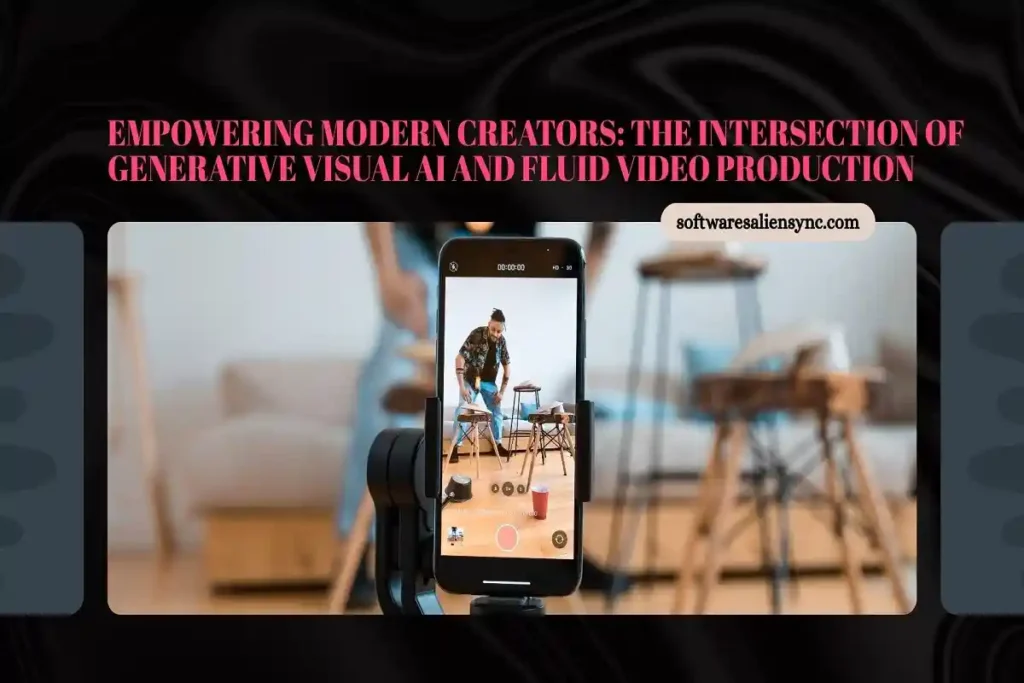
Short-form platforms require consistent, high-frequency publishing. Creators can generate attention-grabbing thumbnails and visual hooks using image generation models, while relying on AI-assisted timeline plugins to cut down long vlog recordings into snappy, captioned vertical clips.
2. Digital Marketers and Brand Managers
Developing multi-platform campaigns often requires creating assets in various aspect ratios and styles. Marketers can rapidly generate product background art, draft ad scripts, and compile multiple promotional video variations tailored to different target demographics without incurring massive studio budgets.
3. Educators and Course Developers
Explaining complex subjects visually becomes significantly easier when instructors can generate custom educational illustrations on demand and transform lecture transcripts into polished, chapter-marked video lessons complete with auto-generated captions.
Best Practices for Maximizing Creative Output
While modern AI tools streamline the mechanics of content creation, achieving professional results still requires creative oversight and strategic execution:
- Craft Detailed Text Prompts: When generating visual assets or issuing timeline editing instructions, specificity matters. Include details regarding lighting, medium (e.g., “3D render,” “oil painting,” “cinematic 35mm”), color palettes, and camera angles to guide the engine effectively.
- Treat AI Outputs as Working Drafts: View generated visual assets and automated rough cuts as foundations rather than finished products. Refine timing, fine-tune color balances, and adjust audio mix levels manually to maintain a distinct brand voice.
- Maintain Visual Consistency: Establish a defined set of brand guidelines—such as primary color hex codes, font pairings, and preferred artistic styles—to ensure all generated visual assets feel cohesive across your media ecosystem.
- Leverage Multimodal Connectivity: Choose tools that allow seamless movement between text generation, graphic design, and timeline video editing to prevent workflow bottlenecks.
As artificial intelligence continues to mature, the distinction between separate digital media tools will continue to blur. By combining text-driven asset creation with intelligent, agent-assisted editing environments, content creators can unlock unprecedented creative efficiency—turning imaginative ideas into polished visual narratives faster than ever before.
For more information click here.