Introduction
Video editing has traditionally required a combination of creative judgment, technical knowledge, and considerable time. Editors often need to review footage, remove unwanted sections, organize clips, add captions, balance audio, and prepare different versions for social platforms. Artificial intelligence is changing this workflow by allowing creators to describe many editing tasks in natural language rather than completing every adjustment manually.
Today, AI can assist with everything from script development and scene planning to captions and automated editing. Some newer systems can also connect conversational AI with dedicated editing software, allowing users to give instructions in plain language while a separate editing engine performs the technical work.
What Is a ChatGPT Video Editor?
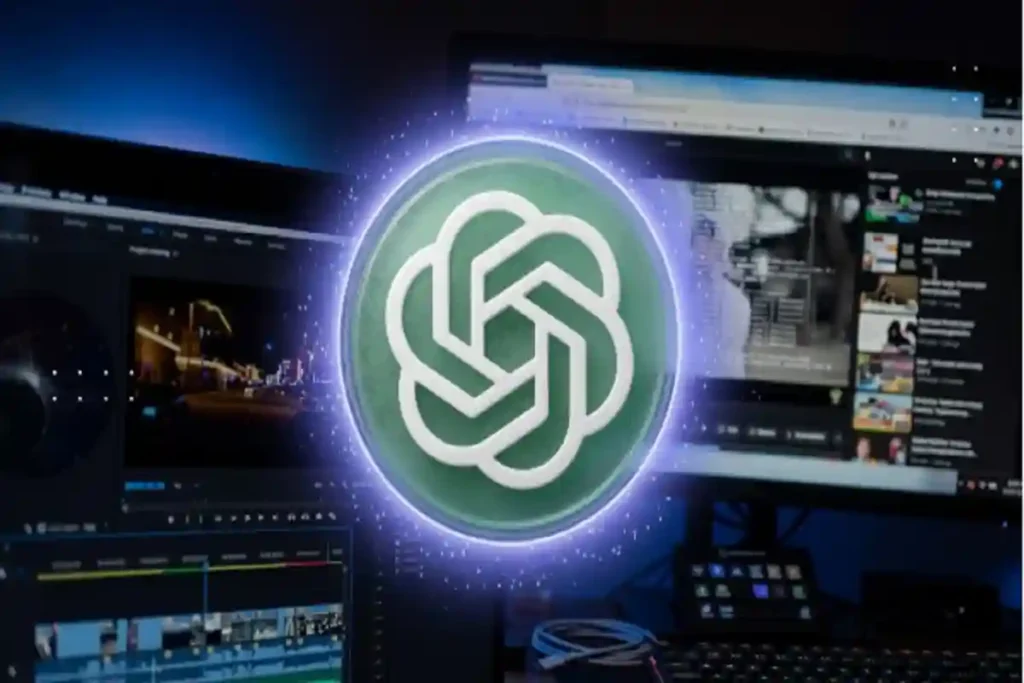
A ChatGPT video editor generally refers to a video editing workflow that combines conversational AI with a dedicated video editing engine. Instead of navigating numerous menus and controls, a creator can describe the desired result, such as shortening pauses, adding captions, removing unnecessary sections, or preparing a video for a particular platform.
It is important to understand the distinction between ChatGPT itself and software built to work with ChatGPT. ChatGPT can help with scripts, outlines, captions, titles, storyboards, and editing instructions, while connected editing tools can handle tasks involving actual video timelines and rendered files.
This approach makes video production more accessible to people who may not have extensive experience with traditional editing software.
How AI Assists With Video Editing
AI can support several stages of the editing process. One of the most useful applications is transcript based editing. When spoken content is converted into text, creators can identify important sections and decide what should remain in the final video.
AI can also help identify repetitive material, long pauses, filler words, and sections that may not contribute to the main message. Connected editing systems can then apply some of those decisions directly to a project. Recent developments show that AI assisted editing can include tasks such as cutting footage, mixing audio, creating captions, and formatting content for different platforms.
For creators producing frequent content, these capabilities can reduce repetitive work and leave more time for creative decisions.
Using AI Before Opening the Editing Software
One of the simplest ways to use AI in video production does not require automated editing at all. ChatGPT can be used during pre-production to develop the concept and structure of a video.
For example, a creator can provide a topic, target audience, desired duration, and tone. The AI can then help develop a script, suggest opening hooks, organize scenes, and create a shot list.
It can also generate supporting content such as video titles, descriptions, chapter markers, social media captions, and ideas for on screen text. These tasks are particularly useful because they are primarily language based and can be completed before the footage reaches the editing timeline.
Natural Language Makes Editing More Accessible
Traditional editing applications can be powerful, but their large collections of controls can make them difficult for beginners. Users may need to learn timelines, tracks, keyframes, transitions, audio controls, and export settings before they feel comfortable.
Natural language interfaces offer another way to interact with editing software. Instead of searching through menus, a creator might describe an intended change in ordinary language. A connected system can interpret that instruction and translate it into editing actions.
This does not eliminate the need for human review. AI can misunderstand context, make an unsuitable cut, or interpret a creative instruction differently from what the editor intended. Human oversight remains important, particularly for professional, educational, journalistic, and branded content.
AI Video Editing Is Not the Same as Video Generation
Video editing and video generation are related but different technologies. Editing works with existing material, while generation creates new visual content from instructions or other inputs.
This distinction matters when researching AI video tools. OpenAI’s Sora, for example, was a dedicated text to video system, but OpenAI states that the Sora product became unavailable on April 26, 2026.
ChatGPT can still be useful in a video production workflow by developing scripts, prompts, scene descriptions, and other production material, even when another application performs the actual rendering or editing.
Practical Uses for Creators
AI assisted editing can be useful across several types of content. YouTube creators can use it to structure longer recordings and create shorter clips. Businesses can prepare product demonstrations, tutorials, and training materials. Social media creators can adapt a single recording into multiple formats.
Podcasters can also benefit from transcript based workflows because interviews can be reviewed as text before deciding which sections belong in the final video. Educational creators can use AI to organize explanations, create captions, and develop supporting visual ideas.
The biggest advantage is often not replacing the editor, but reducing repetitive tasks. This allows creators to spend more attention on storytelling, pacing, accuracy, and audience needs.
What to Consider Before Using an AI Editing Tool
Before choosing an AI powered editing workflow, creators should consider how much control the software provides. Check whether it supports the required video formats, captions, audio editing, aspect ratios, exports, and timeline adjustments.
Privacy is another consideration. If footage contains confidential business information, private conversations, customer data, or unreleased material, users should understand where files are processed and stored before uploading them.
It is also worth checking whether AI generated changes can be reviewed and adjusted manually. A system that automates an edit but provides no practical way to correct mistakes may be less useful than one that combines automation with detailed user control.
Conclusion
AI is becoming a practical part of modern video production, particularly for tasks that involve organizing information, understanding spoken content, creating captions, and automating repetitive editing actions. The emerging ChatGPT video editor concept reflects a broader shift toward conversational interfaces, where creators can describe an intended result and connected editing software handles many of the technical steps.
The technology does not remove the importance of creative judgment. Instead, it can reduce routine work and help creators move from an idea to a finished video more efficiently. As AI systems become better connected with dedicated editing applications, the most useful workflows are likely to combine natural language assistance with human review and precise editing controls.
For more information click here.