
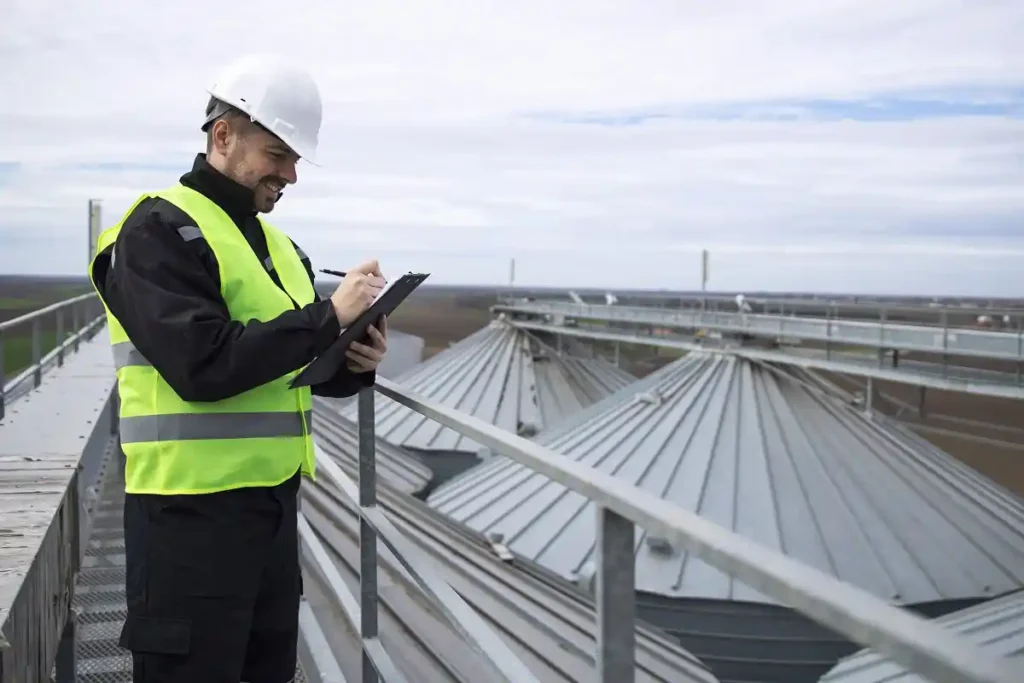
Commercial buildings in Northeast Ohio face tough weather throughout the year. Snow, ice, strong winds, heavy rain, and changing temperatures can slowly damage a flat roof. Because of this, commercial flat roof repair in Northeast Ohio often becomes necessary when small roofing problems start turning into larger ones. A timely commercial flat roof repair in Northeast Ohio can help protect the building, equipment, inventory, and people inside it. Whether the issue involves ponding water, a damaged membrane, loose flashing, or a roof seam, early action can make the repair much easier. In this guide, we will explain common flat roof problems, their solutions, and why regular care matters.
Why Commercial Flat Roofs Need Regular Care
Flat roofs may look simple, but they have several parts that work together. The membrane keeps water out, while flashing protects edges and roof penetrations. Drains and other drainage systems help move rain and melting snow away.
However, Northeast Ohio weather can put stress on these parts. During winter, snow and ice can remain on the roof for long periods. Then, warmer weather causes freezing and thawing. As a result, small cracks, weak seams, and loose materials may develop.
Therefore, building owners should not wait until water appears inside. A regular roof inspection can find problems before they cause major damage.
1. Ponding Water on the Roof
Ponding water is one of the most common problems with commercial flat roofs. It happens when water stays on the roof instead of draining away after rain or snow melts.
This problem may occur because of clogged drains, poor roof slope, damaged insulation, or drainage problems. Over time, standing water can place extra stress on the roofing system.
Solution
A roofing professional should first find out why the water is collecting. They may clean drains, repair damaged areas, improve drainage, or correct low spots.
Regular maintenance also helps. Cleaning roof drains and checking drainage paths can reduce the chance of standing water.
2. Commercial Roof Leaks
Roof leaks can start from a very small opening. Water may enter through a damaged membrane, weak roof seam, loose flashing, or roof penetration.
At first, the leak may only cause a small stain on a ceiling. However, continued moisture intrusion can damage insulation, drywall, electrical areas, and other parts of the building.
Solution
The first step is to locate the real source of the leak. The visible water inside the building is not always directly below the damaged area.
A professional roofer can inspect the roof surface and identify damaged materials. They can then repair the affected section and seal the area properly.
3. Damaged Roof Membrane
Many commercial buildings use single-ply roofing systems such as TPO or EPDM. These membranes are designed to protect the building from weather. Still, they can become damaged by storms, falling branches, foot traffic, age, or poor installation.
A damaged membrane can allow water to reach the layers below it.
Solution
Small damage may only need a proper patch or membrane repair. However, larger damaged sections may require replacement.
The right solution depends on the type of roofing system, the size of the damage, and the overall condition of the roof.
4. Loose or Damaged Flashing
Flashing helps protect areas where the roof meets walls, edges, vents, and other structures. Strong wind, snow, ice, and aging can cause flashing to loosen.
Once flashing fails, water can enter around the edges and roof penetrations.
Solution
A roofing contractor should inspect the flashing and determine whether it can be secured or needs replacement. Properly installed flashing creates a stronger barrier against water.
Because flashing problems can lead to hidden moisture damage, they should not be ignored.
5. Roof Seam Problems
Single-ply roofing systems contain seams where sections of material connect. These roof seams need to remain secure and watertight.
Over time, weather and aging may weaken seams. Poor installation can also cause seam failure.
Solution
A professional inspection can identify weak or open seams. The roofer can then reseal or repair the affected area using methods suitable for the roofing material.
For example, TPO systems commonly use heat-welded seams, while EPDM systems use different joining methods. The repair should match the existing roof system.
6. Drainage Problems
A flat roof depends heavily on proper drainage. When drains, gutters, scuppers, or other outlets become blocked, water may remain on the roof.
Leaves, dirt, ice, and other debris can restrict water flow. In winter, freezing conditions can make drainage even harder.
Solution
Commercial roof maintenance should include regular drainage checks. Cleaning drains and removing debris can help water leave the roof quickly.
If the drainage design itself causes repeated problems, a roofing professional may recommend a longer-term improvement.
7. Storm Damage
Northeast Ohio can experience strong winds, heavy rain, snow, and severe storms. These conditions may damage membranes, flashing, edge materials, and other roof components.
After a major storm, problems are not always easy to see from the ground.
Solution
After severe weather, arrange a roof inspection. A professional can look for lifted materials, punctures, loose flashing, damaged seams, and other concerns.
If repairs are needed quickly, emergency commercial roof repair can help reduce further water entry and protect the building.
8. Roof Penetration Leaks
Commercial roofs often have vents, pipes, HVAC equipment, skylights, and other roof penetrations. Each opening creates a possible path for water.
If the seal around one of these areas becomes weak, a leak may develop.
Solution
The roofer should inspect the penetration, surrounding membrane, and flashing. Repairing the seal and damaged materials can help stop the water from entering.
These areas should also be checked during routine inspections because they can become weak over time.
9. Moisture Intrusion and Interior Damage
A roof problem does not always remain on the roof. Water can travel through insulation and other building materials before becoming visible indoors.
This moisture intrusion may lead to damaged ceilings, walls, insulation, or stored items.
Therefore, a small roofing issue should be taken seriously. Early commercial roof repair can help prevent a small exterior problem from becoming a larger interior repair project.
TPO vs. EPDM for Commercial Flat Roofs
Two common options for commercial flat roofing are TPO and EPDM.
TPO, or thermoplastic polyolefin, is a single-ply membrane known for its reflective surface and heat-welded seams. It is often used where energy efficiency and strong seam connections are important.
EPDM, often called rubber membrane roofing, is another popular single-ply system. It is flexible and can perform well in changing weather conditions.
Both systems can work well, but their repair methods are different. For that reason, property owners should use a contractor who understands the specific roofing material installed on their building.
When Should You Call a Roofing Contractor?
Do not wait for a large ceiling stain before calling a professional. Contact a roofer when you notice:
- Water stains inside the building
- Standing water on the roof
- Damaged or loose membrane
- Loose flashing
- Open roof seams
- Blocked drains
- Storm-related damage
- Repeated leaks
- Damaged areas around roof penetrations
These signs may point to a larger roofing issue that needs attention.
Why Preventative Maintenance Matters
Preventative maintenance is one of the best ways to protect a commercial roofing system. Instead of waiting for a leak, property owners can schedule inspections and routine maintenance.
During these visits, a professional can check the membrane, flashing, seams, drains, roof penetrations, and other important areas.
This approach helps identify small issues early. It can also help building owners plan repairs instead of dealing with an unexpected emergency.
Choosing Flat Roof Contractors in Northeast Ohio
Choosing the right contractor is just as important as choosing the right repair. Look for flat roof contractors Northeast Ohio businesses that understand the area’s weather and commercial roofing needs.
A reliable contractor should inspect the entire problem area rather than simply covering the visible damage. They should also explain what caused the issue and what repair they recommend.
Ask about experience with commercial flat roofing, TPO, EPDM, roof inspections, maintenance, and storm damage. A clear written estimate can also help you understand the project before work begins.
Final Thoughts
A commercial flat roof protects much more than the top of a building. It helps protect equipment, inventory, employees, and the building itself. Problems such as ponding water, roof leaks, damaged membranes, loose flashing, drainage issues, and weak seams should be addressed before they grow.
With regular inspections, proper commercial roof maintenance, and timely repairs, property owners can extend the useful life of their roofing system. When a problem appears, professional commercial flat roof repair in Northeast Ohio can provide the right solution and help prevent further damage.
The key is simple: find roofing problems early, repair them correctly, and keep the roof maintained throughout the year.