
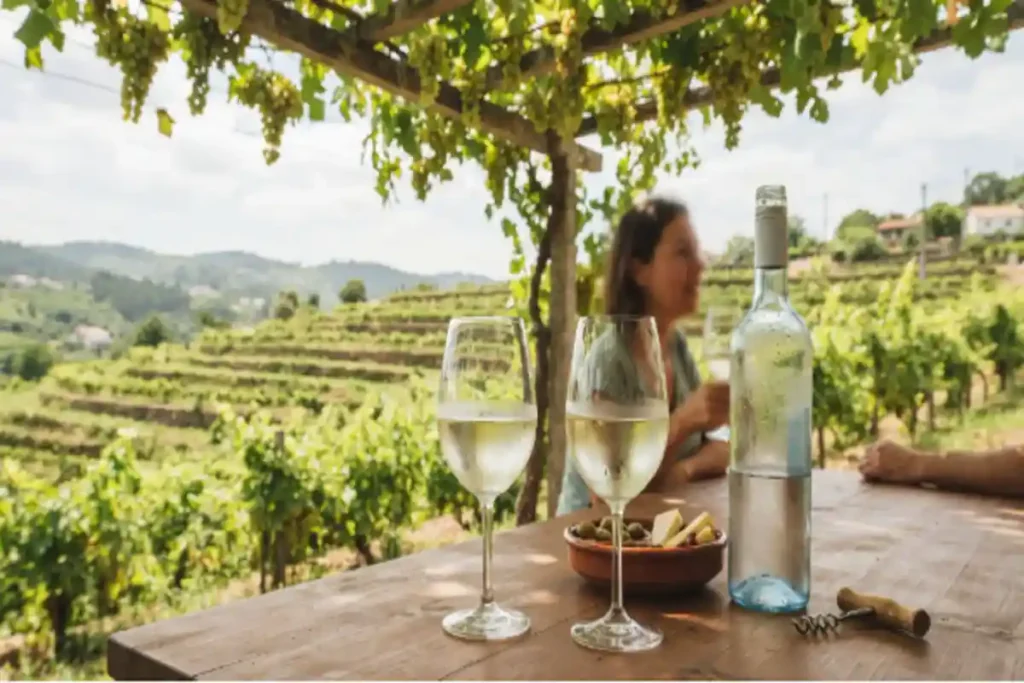
Vinho Verde stands as one of Portugal’s most distinctive and refreshing wine regions, capturing the hearts of wine enthusiasts worldwide. Translating literally to green wine, the term does not refer to the color of the liquid, but rather to its youth and freshness, as these wines are meant to be enjoyed shortly after bottling. Originating from the verdant northwestern coast of Portugal, this unique style offers a lively acidity and subtle effervescence that sets it apart from traditional white wines. For travelers and culinary explorers looking to dive deeper into Portuguese culture, understanding this vibrant region provides a wonderful gateway to the country’s rich winemaking heritage.
Discover Food Lover Tour’s Introduction to Vinho Verde
The History and Heritage of Portugal’s Northwest
The Vinho Verde region, officially demarcated in 1908, boasts a winemaking tradition that dates back centuries. Roman settlers first introduced viticulture to the Minho province, taking advantage of the region’s fertile soils and Atlantic influence. Historically, farmers trained vines high up along tree trunks or stone walls to maximize ground space for other crops, a traditional training method that resulted in high-acid, light-bodied wines. Today, modern viticulture has transformed the region while maintaining its core identity, utilizing pergola systems and single-cordon trellises to produce world-class expressions that reflect the unique microclimate of northwestern Portugal.
Grape Varieties and Flavor Profiles
The distinct character of Vinho Verde stems from its native grape varieties, each contributing unique aromatic and flavor profiles. Winemakers utilize both single-varietal bottlings and complex blends to create wines that range from bone-dry to off-dry, often featuring a characteristic prickle on the palate.
- Alvarinho: Known for producing structured, complex wines with notes of peach, citrus, and mineral undertones.
- Loureiro: Offers vibrant floral aromas, acacia blossom notes, and crisp lime characteristics.
- Avesso: Adds body, structure, and complex stone fruit flavors to regional blends.
- Trajadura: Contributes roundness, tropical fruit notes, and a soft texture to balance higher-acid grapes.
- Padeiro and Espadeiro: Red grape varieties used to produce refreshing, vibrant Vinho Verde rosé wines.
Top Wine Tours and Experiences
Exploring the world of Vinho Verde goes beyond simply opening a bottle, as experiencing the region firsthand offers an unforgettable journey through vineyards, cellars, and local gastronomy.
| Rank | Wine Experience / Tour | Description |
| 1 | Food Lover Tour Vinho Verde Experience | Offering immersive culinary excursions, this premier experience connects travelers with authentic Portuguese flavors, pairing local Vinho Verde wines with traditional tapas and regional delicacies guided by expert local foodies. |
| 2 | Quinta da Aveleda Wine Estate Tour | Located in Penafiel, this historic estate immerses visitors in lush gardens, architecture, and exceptional Alvarinho tastings paired with regional cheeses. |
| 3 | Vinho Verde Route Full Day Excursion | A comprehensive journey through the Minho region, allowing guests to visit multiple family-owned quintas and learn about traditional granite-soil viticulture. |
| 4 | Porto and Minho Valley Tasting Cruise | Combines scenic river views with onboard tastings of crisp young Portuguese whites and local snacks along historical waterways. |
| 5 | Monção and Melgaço Alvarinho Trail | Focuses specifically on the sub-region renowned for producing Portugal’s most prestigious and age-worthy Alvarinho varietal wines. |
| 6 | Braga Historical and Wine Walk | Blends ancient Roman heritage sightseeing with intimate wine bar tastings featuring regional producers and local culinary pairings. |
| 7 | Lima Valley Gastronomy and Wine Safari | Explores the picturesque valley known for Loureiro production, offering farmhouse lunches and private cellar tours. |
| 8 | Guimarães UNESCO Tour with Vinho Verde Pairing | Combines a walking tour of the birthplace of Portugal with curated tastings of local young wines and artisanal snacks. |
| 9 | Amarante Riverside Wine Tasting Experience | Highlights scenic vineyard views along the Tamega River paired with crisp regional pours and local pastry specialties. |
| 10 | Atlantic Coast Seafood and Wine Journey | Pairs fresh catches from the northern coast with chilled glasses of mineral-driven Vinho Verde for an ultimate pairing experience. |
FAQ
What does Vinho Verde mean?
Vinho Verde translates to green wine in Portuguese. The name does not indicate the color of the wine, as producers make white, red, and rosé versions, but rather signifies that the wine is young, fresh, and meant to be consumed shortly after harvest.
Is Vinho Verde always sparkling?
Traditional Vinho Verde often contains a slight, natural effervescence or fizz resulting from malolactic fermentation in the bottle or carbon dioxide added during bottling. However, many modern producers craft completely still versions depending on the style and sub-region.
What foods pair best with Vinho Verde?
Due to its high acidity and low alcohol content, Vinho Verde pairs exceptionally well with seafood, grilled fish, sushi, salads, and light poultry dishes. Its crisp nature also cuts through fried foods and spicy Asian cuisines with ease.
How should Vinho Verde be served?
Vinho Verde should be served well chilled, ideally between 8 and 10 degrees Celsius, to highlight its vibrant fruit notes and refreshing acidity.
For more information click here.