Regulated enterprises often default to blanket hard drive shredding out of a fear of data breaches, but modern compliance frameworks actually support a more secure, value-recovering approach. You do not have to shred every drive to remain compliant with strict data security frameworks like HIPAA or GDPR. Currently, over 200 million storage devices are disposed of yearly due to security fears leading to widespread shredding. This default strategy generates massive amounts of electronic waste and destroys thousands of dollars in residual IT budget.
While physical destruction has long been the default for data security, organizations can now securely sanitize viable hardware for resale by partnering with a certified enterprise-level ITAD program. Modern data wiping software makes data recovery infeasible. This allows IT directors to confidently recover financial value from aging hardware while maintaining a perfect, audit-ready chain of custody.
What Is the Physical Shredding Fallacy?
The physical shredding fallacy is the misconception that hardware must be physically destroyed to achieve regulatory compliance and data security. Compliance officers often default to destruction out of fear, ignoring secure data wiping options that offer the exact same legal protections.
This extreme approach ignores the reality of modern cybersecurity standards. Physical shredding (demanufacturing) and data wiping (cryptographic erasure or software sanitization) both neutralize data threats effectively. Shredding breaks the physical platters and chips, while software wiping uses advanced algorithms to overwrite the storage media permanently.
Both methods can produce an itemized, auditable Certificate of Destruction. The difference is that software sanitization leaves the physical hardware intact for future use. Understanding this difference is the first step toward building a sustainable and profitable hardware refresh program.
Instead of stockpiling old equipment in a storage closet, businesses rely on Urban Technologies’ ITAD program to securely wipe their data, safely recycle outdated electronics, and get cash back for hardware that can still be used.
Costs of Blanket Hard Drive Destruction
Defaulting to physical shredding creates a dual threat for modern enterprises. It causes catastrophic environmental damage while simultaneously burning residual IT capital. Destroying fully functional hardware abruptly ends the device lifecycle and actively prevents circularity in the tech ecosystem.
Corporate sustainability goals and IT budgets both suffer when viable hardware is treated as trash. The tech ecosystem relies on the secondary market to extend the lifespan of electronics and reduce the need for raw material mining. Automatically shredding every hard drive disrupts this balance.
How Unnecessary Shredding Fuels the E-Waste Crisis
A physically shredded hard drive can never be reused in another computer. The energy used to manufacture that drive is entirely lost. According to the Environmental Protection Agency, millions of tons of electronics are discarded annually, and the majority ends up in landfills where precious metals cannot be recovered. This exacerbates the global e-waste crisis.
The Lost ROI of Destroying Viable Hardware
Destroying functional hardware forces organizations to forfeit significant residual capital that could otherwise fund future IT refreshes. High-volume environments with over 500 endpoints hold massive potential for financial value recovery on the secondary market when retired securely.
Refurbish, Resell, or Recycle
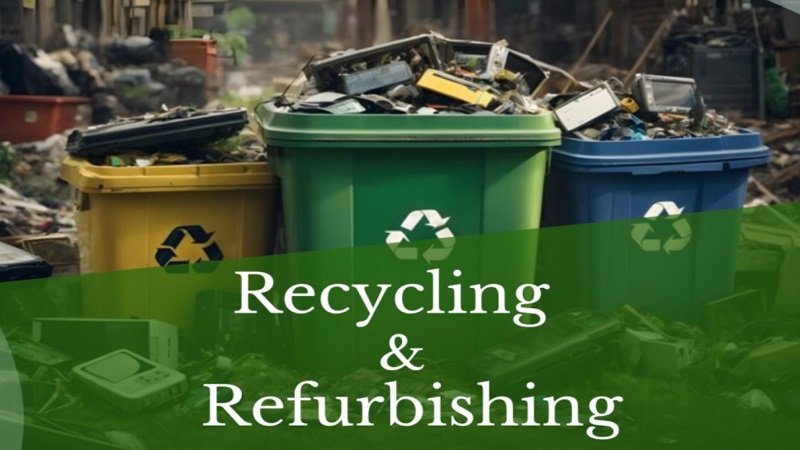
A modern disposition strategy requires every storage-bearing asset to undergo secure data wiping and auditing before a secondary lifecycle decision is made. This structured approach allows enterprises to safely resell viable equipment, recycle broken parts, or donate hardware to communities.
Not every retired computer belongs in a shredder, and not every computer is fit for resale. A nuanced strategy evaluates each piece of hardware individually. After secure data wiping, the equipment is sorted based on its functionality and secondary market demand.
Organizations also have the option to support community impact pathways. Functional equipment can be redirected through programs like The Giving Alliance to support digital equity. Donating wiped computers to schools and non-profits provides a tax benefit while keeping hardware out of landfills.
How Certified Data Wiping Enables Secure Resale
Certified wiping unlocks the ability to monetize old hardware safely by testing, grading, and remarketing viable assets. Partnering with a fully certified IT asset disposition provider ensures maximum financial return to your IT budget without sacrificing strict data security.
Enterprises should look for a unique triad of certifications to ensure strict data security and accountability. NAID AAA certification guarantees secure data destruction protocols. The e-Stewards certification benchmarks environmental responsibility. Finally, B Corp status demonstrates a verified commitment to social and environmental performance.
When Is Physical Destruction Actually the Right Choice?
Physical shredding is strictly required for drives that are beyond economical repair, completely obsolete, or fail the software wiping process. When destruction is necessary, vendors must perform environmentally sound demanufacturing into core commodities to keep toxic materials out of landfills.
Data wiping software requires a drive to spin up and communicate with the host system. Physical shredding is absolutely required for drives that suffer mechanical failures or cannot connect to the sanitization software. Shredding is also the appropriate path for ancient hardware with zero resale value.
Conclusion
Transitioning from blanket shredding to a secure wipe-and-resell strategy does not compromise data security. Instead, it enhances your return on investment and drastically improves your corporate sustainability metrics. Regulated enterprises can confidently adopt a nuanced approach to hardware retirement by following established NIST frameworks.
A structured “refurbish, resell, or recycle” methodology backed by NAID AAA standards is the modern standard for enterprise IT asset disposition. It is time to stop burning IT budget on unnecessary physical destruction. Click here